
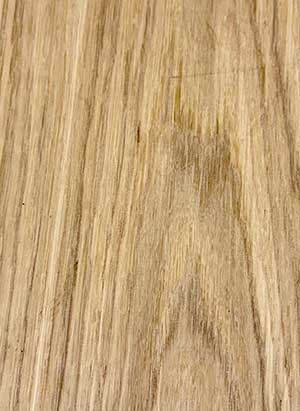

Visual and Physical Characteristics
-
Color Profile: Variations depend on the species:
-
White Oak: Generally straw-colored, light tan-brown, or creamy beige.
-
Red Oak: Recognizable by its pinkish or reddish-brown hue.
-
Specialty Types: Includes Fumed Oak (dark brown to black) and European Oak
(warm honey tones).
-
-
Grain Patterns: The appearance varies based on how the log is cut:
-
Flat Cut (Crown Cut): Features a distinct, “cathedral” or arched grain pattern.
-
Rift Cut: Produces a straight, linear, or “combed” grain with minimal markings.
-
Quarter Sawn: Known for dramatic “flake” or “fleck” patterns caused by medullary
rays.
-
-
Texture: Typically has a medium to coarse texture with a mix of tight and porous grains.

Common Applications
-
Furniture: Used extensively for dining tables, office desks, and cabinets.
-
Interior Design: Popular for wall panels, doors, and flooring in both residential and
commercial spaces.
-
Specialty Uses: Found in automotive interiors (dashboards) and musical instruments like
guitars and violins to regulate acoustics

Key Advantages
-
Stability: Unlike solid wood, the bonded structure of veneer makes it less prone to
splitting, cracking, or warping due to humidity and temperature changes.
-
Sustainability: One oak log can produce dozens of veneer sheets, making it a more eco-friendly use of timber resources.
-
Cost-Effectiveness: It offers the high-end appearance of expensive oak species at a fraction of the price of solid timber.