
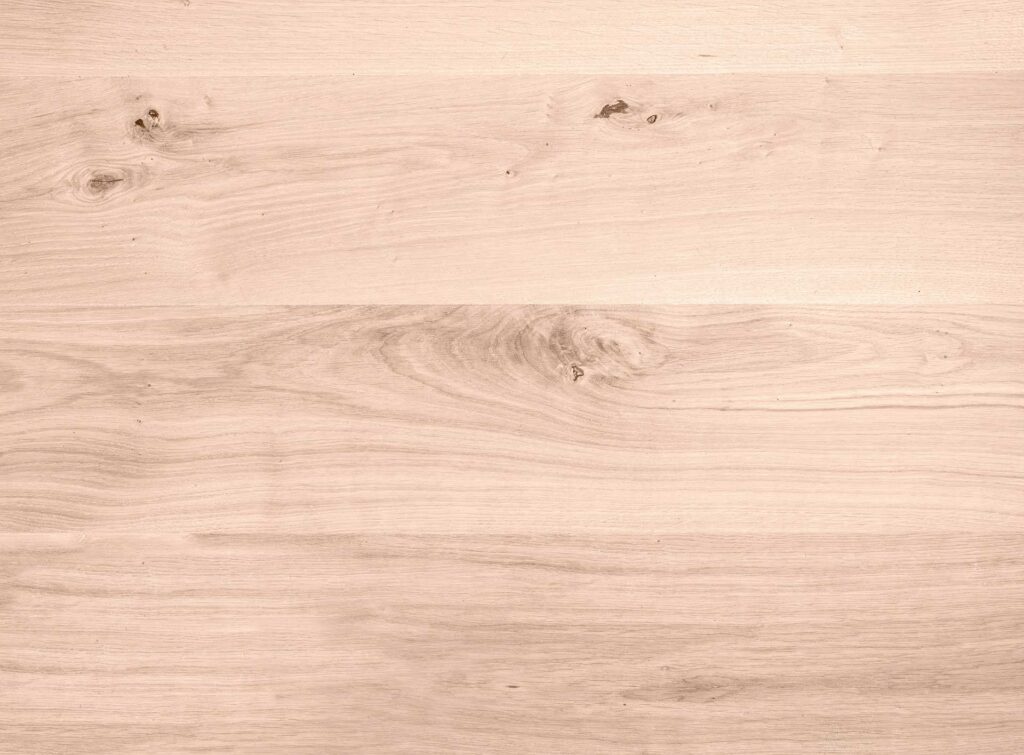
Teak

Color Range
Freshly cut teak can appear blotchy with mineral streaks of olive green or dark brown. Upon exposure to air and light, it transitions into a rich honey-gold or tawny brown.

Grain
It typically features a tight, straight grain, though it can occasionally be wavy or interlocked.

Texture
The texture is coarse and can feel slightly oily or waxy to the touch.

Other Names
Other names here.

Typical Uses
Marine Industry: The premier choice for yacht decking, boat railings, and high-end marine interiors due to its non-slip surface and water resistance. Outdoor Living: Standard for luxury garden furniture, poolside decking, and exterior siding. High-End Interiors: It is increasingly used for premium indoor flooring, custom millwork, and mid-century modern furniture.
Weight
3.33
More info
lbs /Bd. Ft. | -6.98% lighter than red oak (3.58 /bd. ft.)
Hardness
1000
More info
Janka Rating | -22.48% softer than red oak (1290 psi)
Density
0.59
More info
Specific Gravity | -7.81% less dense than red oak (.64)
Strength, Stability, and Durability
Natural Protection: Teak is saturated with natural oils and rubber that act as a built-in shield against moisture, rot, fungi, and pests like termites.Stability: It is one of the most stable hardwoods available, with a very low shrinkage coefficient (radial: 2.6%, tangential: 5.3%), meaning it resists warping and cracking even in extreme humidity changes.
Workability / Finishing
While generally easy to machine, its high silica content has a severe blunting effect on tools; carbide-tipped blades are mandatory for clean cuts. Its oily nature can interfere with gluing unless surfaces are first wiped with a solvent like acetone.