
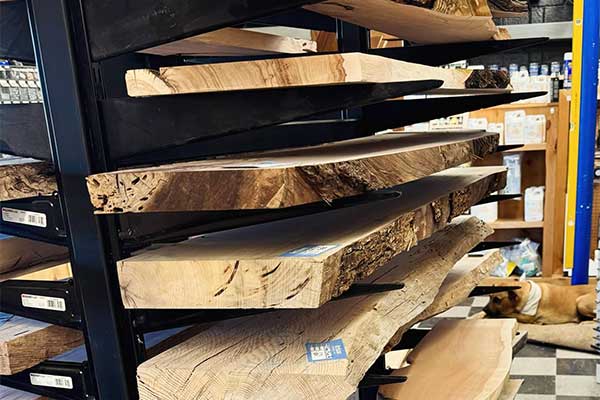

Color Range
Yellow Birch: Creamy-white sapwood and light reddish-brown heartwood. Sweet Birch: Dark, reddish heartwood. Paper Birch: lighter and softer than yellow or sweet birch.

Grain
Birch has a closed-pore structure with a fine, even grain. While typically straight-grained, it can occasionally exhibit highly decorative "curly" or "wavy" figure.

Texture
Like maple, it can be prone to blotchiness when staining and may require a pre-conditioner. It is non-durable regarding rot and should not be used for exterior applications.

Other Names
Other names here.

Typical Uses
Yellow Birch: most common species used for lumber and flooring. Sweet Birch: often used as a substitute for mahogany or cherry. Paper Birch: primarily used for specialty items like toothpicks, paper pulp, and turned objects.