
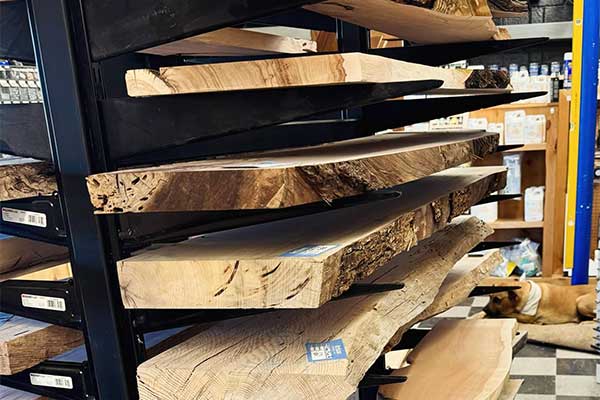

Color Range
The heartwood is a golden to dark reddish-brown, which naturally darkens and deepens as it ages.

Grain
The Ribbon Pattern: Sapele is most famous for its interlocked grain. When quartersawn, this grain produces a highly desirable "ribbon stripe" or "ropey" figure that appears to shift and shimmer in the light (chatoyancy). Other Figures: It frequently exhibits rare and expensive figured patterns such as pommele, quilted, beeswing, mottled, and fiddleback.

Texture
It possesses a fine, uniform texture and a high natural luster, often described as having an iridescent or 3D effect when finished.

Other Names
Other names here.

Typical Uses
Premium Exterior Joinery: The preferred choice for high-end exterior doors and windows due to its weather resistance. Luxury Flooring: Highly sought after for commercial foyers and high-traffic homes because it resists dents and scratches better than oak. Musical Instruments: Frequently used for guitar backs, sides, and necks, as well as ukulele components, for its warm acoustic properties. Marine and Automotive: Used in boatbuilding and as high-end interior wood trim for luxury vehicles (e.g., Cadillac).