
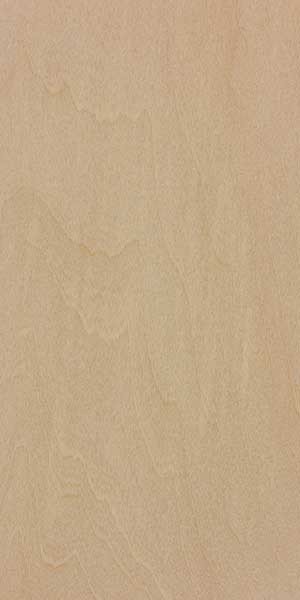

Color Range
The wood is naturally pale white to light cream, occasionally featuring a light tan or reddish heartwood. There is typically very little contrast between sapwood and heartwood.

Grain
It has a fine, straight, and indistinct grain. The surface is generally smooth and free of large knots or dramatic figures, providing a neutral canvas for artisans.

Texture
The surface is generally smooth and free of large knots or dramatic figures, providing a neutral canvas for artisans

Other Names
Other names here.

Typical Uses
Hobbyist & Craft: The standard material for woodcarving blanks, architectural models, and laser engraving projects. Musical Instruments: Frequently used for electric guitar bodies and piano keys due to its lightweight and resonant properties. Specialized Millwork: The preferred wood for high-end Venetian blinds and shutters because it can be machined into very thin, stable sections. Internal Components: Often used as a "secondary wood" for concealed furniture parts, drawer sides, and pattern-making. Food Storage: Because it is completely odorless and tasteless, it is often used for baskets and food-safe woodenware.