
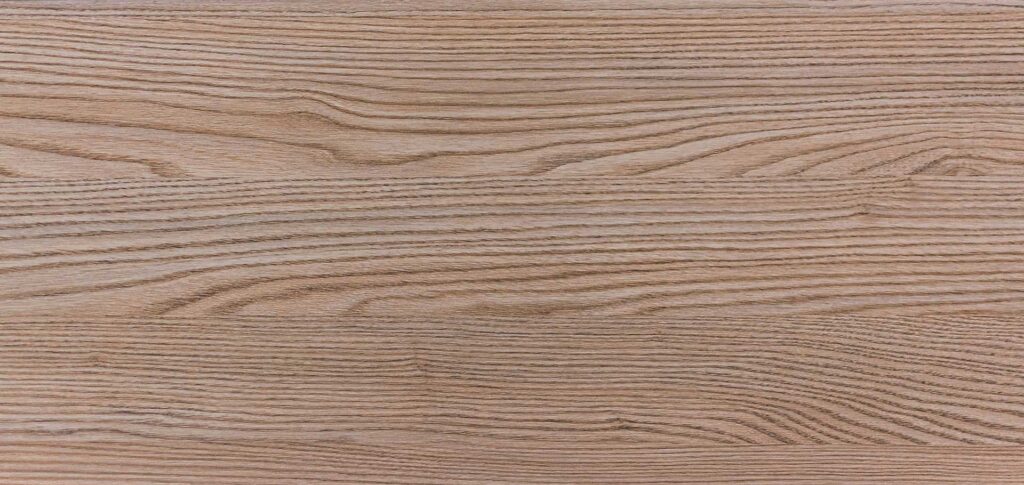

Color Range
Color Profile: The sapwood is a creamy white to pale yellow, while the heartwood is typically light yellowish-brown to olive green. Aging Process: Upon exposure to UV light and air, the characteristic green tones of the heartwood naturally darken and shift toward a more uniform medium-to-dark brown.

Grain
It has a very straight, uniform grain with a medium-to-fine texture.

Texture
It frequently features striking mineral-stained streaks of gray, blue, purple, or even red. Material with an array of these colors is often sold as "Rainbow Poplar" for decorative projects.

Other Names
American tulipwood, American whitewood, Canary whitewood, Canary wood, Canoe wood, Poplar, Popple, Saddletree, Tulip poplar, Tuliptree, Tulipwood, White poplar, Whitewood, Yellow poplar

Typical Uses
The "Paint Grade" Standard: Poplar remains the preferred choice for painted cabinetry, mouldings, and trim because it accepts paint and enamel exceptionally well without the grain showing through. Structural & Industrial Use: It is widely used for internal furniture components (drawer sides, frames), plywood cores, and pallets due to its high strength-to-weight ratio for its density.